Many creators have built an engaged presence across multiple platforms, mastering different formats and analyzing performance metrics along the way. With commissions, sponsored posts, brand partnerships, and gifted collaborations, they’ve established several revenue streams, and reached a milestone. They can officially call themselves an influencer. But with that title comes new responsibilities, including tax considerations.
Social media influencers are a distinct group; they’re resilient, driven, and overwhelmingly ambitious. These qualities fuel success, but without proper financial planning, that success can quickly bring added pressure. Influencers who are unprepared for the financial scrutiny and expectations that come with growth may find themselves relying on future income to manage present obligations, shifting focus from building the life they want to simply keeping afloat.
With the right financial planning and structure in place, many common pitfalls can be avoided. This guide outlines the responsibilities influencers take as independent business owners and offers practical advice on maintaining accurate records and long‑term financial stability.
From Side Hustle to Business
Many social media influencers do not set out to replace their full-time roles. For many, sharing on social media starts as a hobby. Even those who start out wanting to make money do not typically view influencing as a reliable source of income. They see it more as a side hustle. When their effort actually draws income, the reactions are mixed, especially when that income is irregular. It’s at this time that many influencers drop the proverbial ball.
Income comes in many forms in this industry: cash, commissions, or gifts received in kind. All of it must be tracked, and tax is payable once income reaches the £1,000 trading allowance threshold. Even if earnings are modest—or limited to a first payment—putting records in place early and building a sound financial foundation is essential to avoiding problems later on. Once influencing generates income, it is no longer a hobby; it is a business, and the influencer is providing services with intent.
Tax, HMRC and Compliance Obligations
Social media influencers are generally treated as sole traders, earning income through the promotion of goods or services. This distinction is important. While opinions, experiences, and recommendations may not feel like services, once payment is received, they are regarded as such for tax purposes.
The £1,000 trading allowance triggers the requirement to register with HMRC. Specifically, influencers must register for Self Assessment by 5 October following the end of the tax year in which trading began. While registration is required, income tax is not payable until earnings exceed the personal allowance of £12,570.
HMRC has taken an increasingly active approach to influencer compliance. While small earners are not the target of enforcement, fairness across all taxpayers remains a priority. Since January 2024, digital platforms have been required to share income data relating to sellers and creators directly with HMRC. In response, thousands of “nudge letters” have been issued to influencers, reminding them of their tax obligations.
Value Added Tax (VAT) is another key consideration. VAT applies to most goods and services, and influencers are no exception. If taxable turnover exceeds £90,000 in any rolling 12‑month period, VAT registration becomes mandatory. VAT is calculated on turnover, not profit, and gifted items may also count towards the threshold, as they are often treated as barter transactions.
These obligations become more complex for influencers with international audiences, partnerships, or platforms, where cross-border services and differing tax rules apply. For example, a UK influencer paid by a US brand may still have UK income tax obligations but no UK VAT due on that supply. This complexity underscores the importance of meticulous record keeping and informed tax planning. Prager Metis provides tax and financial planning services for entertainers, including social media influencers, and offers guidance on navigating international and cross-border considerations.
Expense Management and Record-Keeping
As influencers establish their reputation and secure lucrative partnerships, it is natural to enjoy the rewards of their success. However, spending can quickly outpace earnings, particularly in the early stages. Poor spending decisions often go hand‑in‑hand with weak record‑keeping, increasing the risk of inaccurate reporting and potential HMRC scrutiny.
Long‑term financial stability requires discipline. Influencers who build sustainable careers take the time to understand their income streams and how those earnings affect their overall financial position. This starts with tracking income and expenditure through invoices, contracts, receipts, and records of gifted items. Proper tracking creates a clear picture of gross income and helps distinguish between business and personal expenses, an area that often presents challenges for influencers.
Record‑keeping is time‑consuming, and many influencers delay it until tax deadlines approach. This approach increases the risk of errors or omissions. Keeping records up to date ensures transactions are accurately captured and clearly documented, making it easier to understand profits, costs, and cash flow throughout the year.
Accounting and data capture software’s and digital tools are available to help streamline the expense management and record keeping. Data capture tools such as Dext or Hubdoc allow for increased efficiency as records can be captured and documented in real time. There is also increasing integrations with banks and credit card providers with transaction capture features that link directly to your accounting software. Accounting software’s such as Xero or QuickBooks can then take these records and generate useful reports for tax and financial planning purposes. Our Entertainment & Music Group team here at Prager Metis can provide valuable support and guidance with our vast experience across these software’s and tools.
Business Expenses and Grey Areas
Business expenses can be particularly challenging for influencers, especially under HMRC’s “wholly and exclusively” rule, which requires expenses to be incurred solely for business purposes. For influencers and creatives, where personal and professional lives often overlap, this distinction can be difficult to apply.
Items such as phones, travel, clothing, props, and camera equipment are commonly queried. Some costs may qualify in full or in part, while others may not. Camera equipment, for example, is often allowable, but if it is used for both business and personal purposes, only a proportion of the cost may be claimed. Clothing, by contrast, is rarely allowable as a business expense.
Social media platforms present real career opportunities, but the financial, tax, and compliance considerations are complex. Influencers who begin earning income should not delay in getting organised or seeking professional advice. Early planning can prevent costly mistakes and support long‑term success.
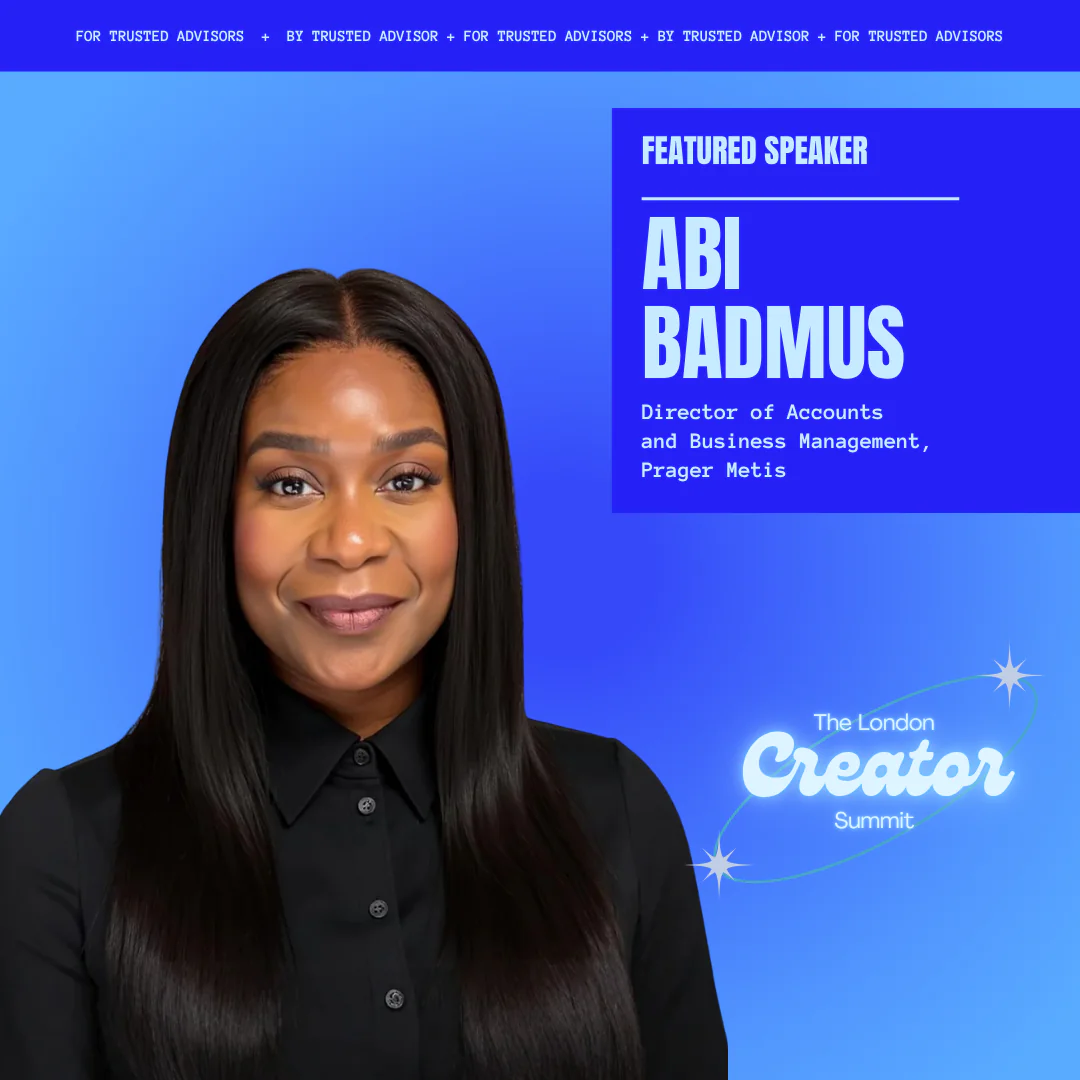
Contact Abi Badmus, Director of Accounts and Business Management, and Zoe Grant, Supervisor in Business Management, for a consultation to discuss financial needs and benefit from their expertise in accounting, financial management, and support for entertainment clients.